
The Story God Has Been Writing in Our Family
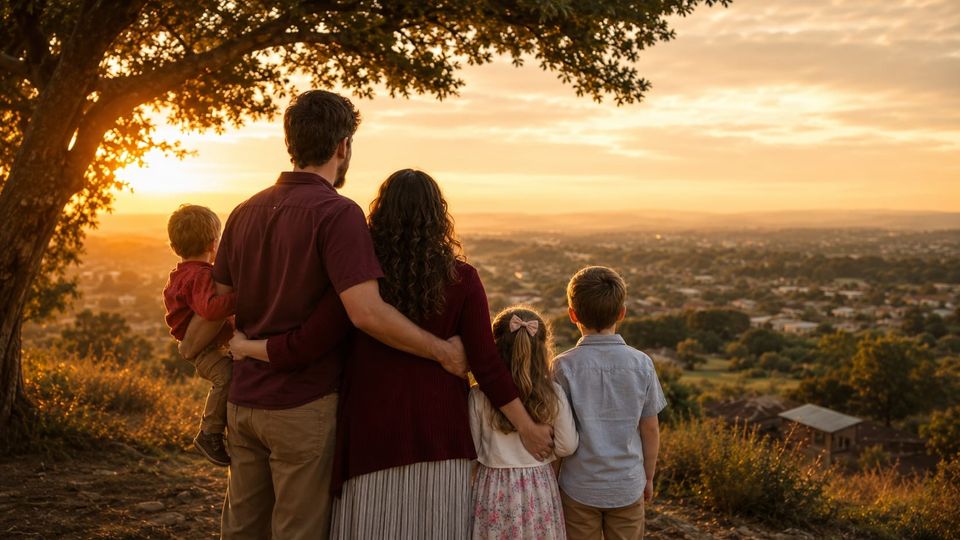
When people ask us why we are going to Zambia, the honest answer is that this is not a sudden decision. It is not something that began with a missions presentation, a short-term trip, or a moment of emotional excitement. In many ways, it feels like the Lord has been writing this story in our family for a long time.
I'll warn you, this post is long!
And the more we look back, the more humbled and thankful we are.
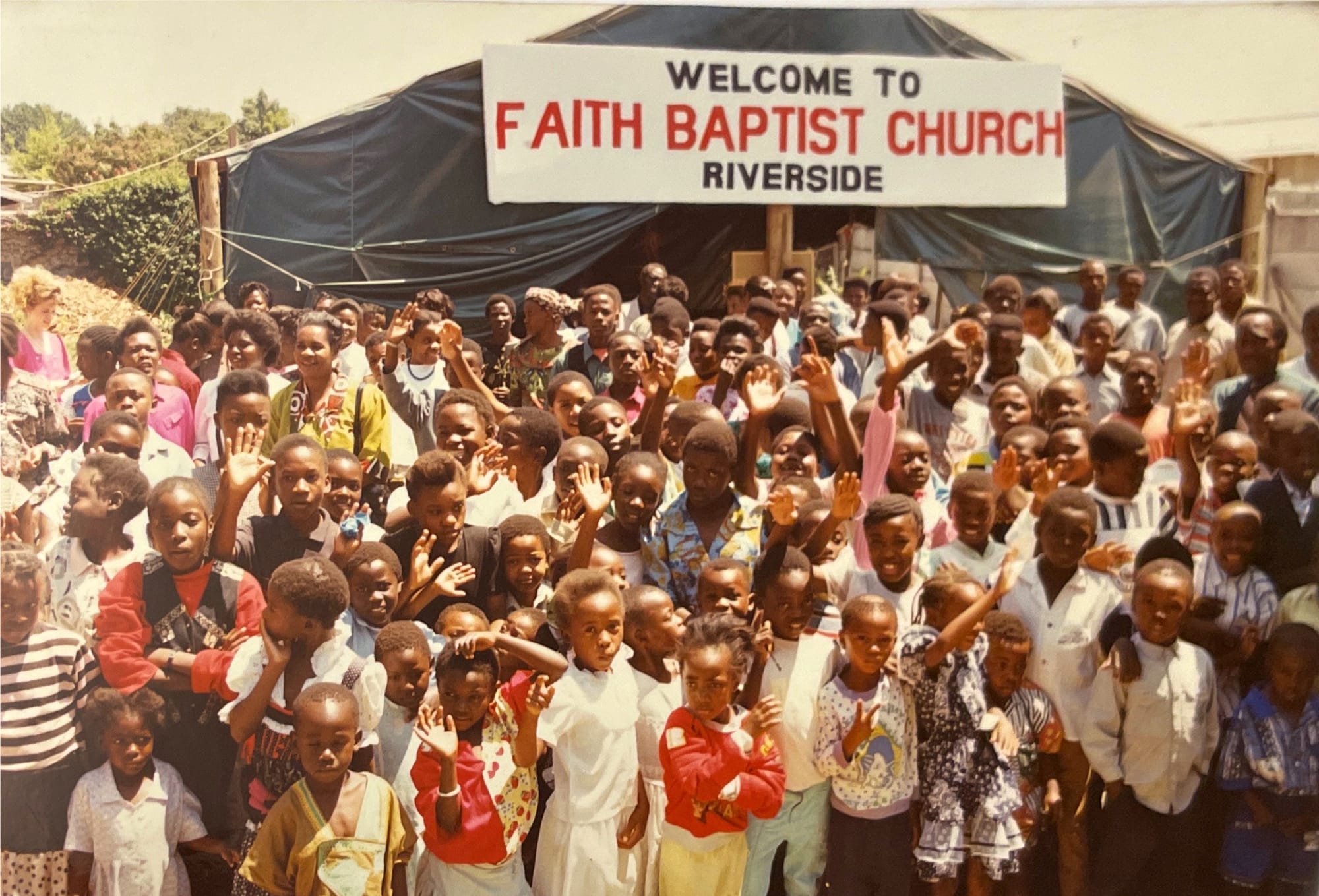
I grew up in Kitwe, Zambia. That simple fact has shaped me in ways I am still learning to understand. Zambia was not merely a place I knew about from missionary stories. It was home. It was where I spent many of my growing-up years. It was where I watched my parents give themselves to the work of the gospel. It was where I saw faithful men laboring in churches, local leaders being trained, and churches seeking to be strengthened and planted for the sake of Christ.
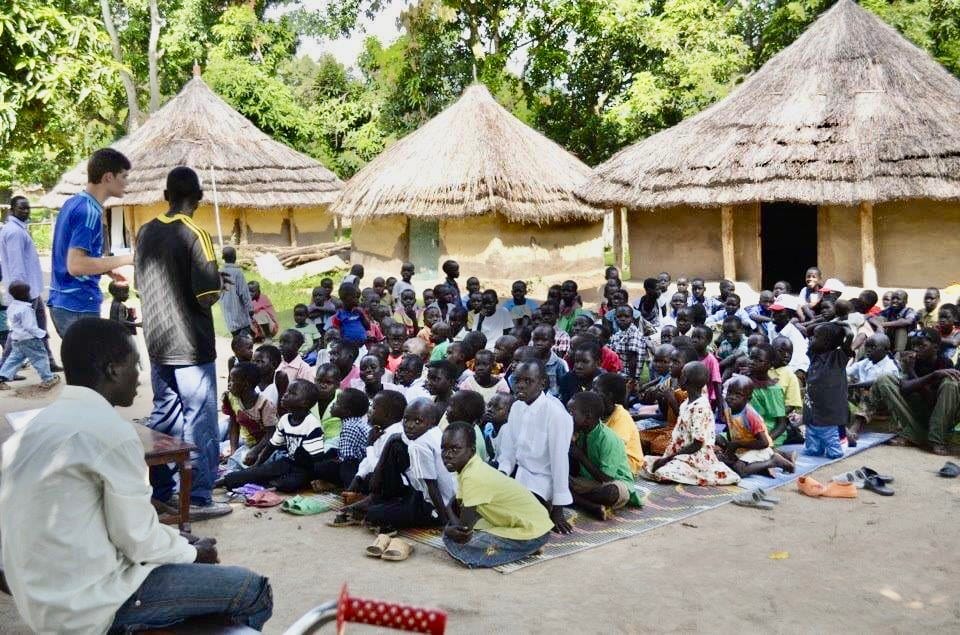
As a young person, I had a front-row seat to ministry in Zambia. I saw the beauty of the church there. I saw the joy of believers who loved Christ. I saw the need for well-trained pastors who could faithfully preach the Word, shepherd God’s people, and lead churches with biblical conviction. I saw the importance of local churches being led by qualified, godly, theologically sound African leaders.
At the time, I could not have explained all of that with the clarity I would now. But something was being planted in me. The Lord was using my childhood, my parents’ ministry, the churches around us, and the needs I saw to grow a burden that never really went away.
Over the years, that burden only deepened.
The Lord eventually led me back to the United States for education, work, local church ministry, and pastoral training. I studied computer science, worked in technology, completed seminary, and had the privilege of serving as a pastor at Resurrection Church. Looking back, I can see that none of those things were random. The Lord was using each season to prepare me.
He gave me theological training because the work ahead would require more than desire. He gave me years in the local church because missions must never be disconnected from the church. He gave me pastoral experience because training men for ministry is not merely an academic task. And he gave me work in technology which, for a season, allowed us to move to Zambia and serve while still supporting most of our family’s needs.
But this is not only my story.
It is Rachel’s story too.
Rachel also grew up with missions close to home. Though born in French-speaking Africa, she was raised mostly in France, where her parents served the Lord. Her upbringing gave her a firsthand view of the ordinary, quiet, faithful ways that ministry often happens. One of the clearest examples of that was her mom, Madeline Baker.
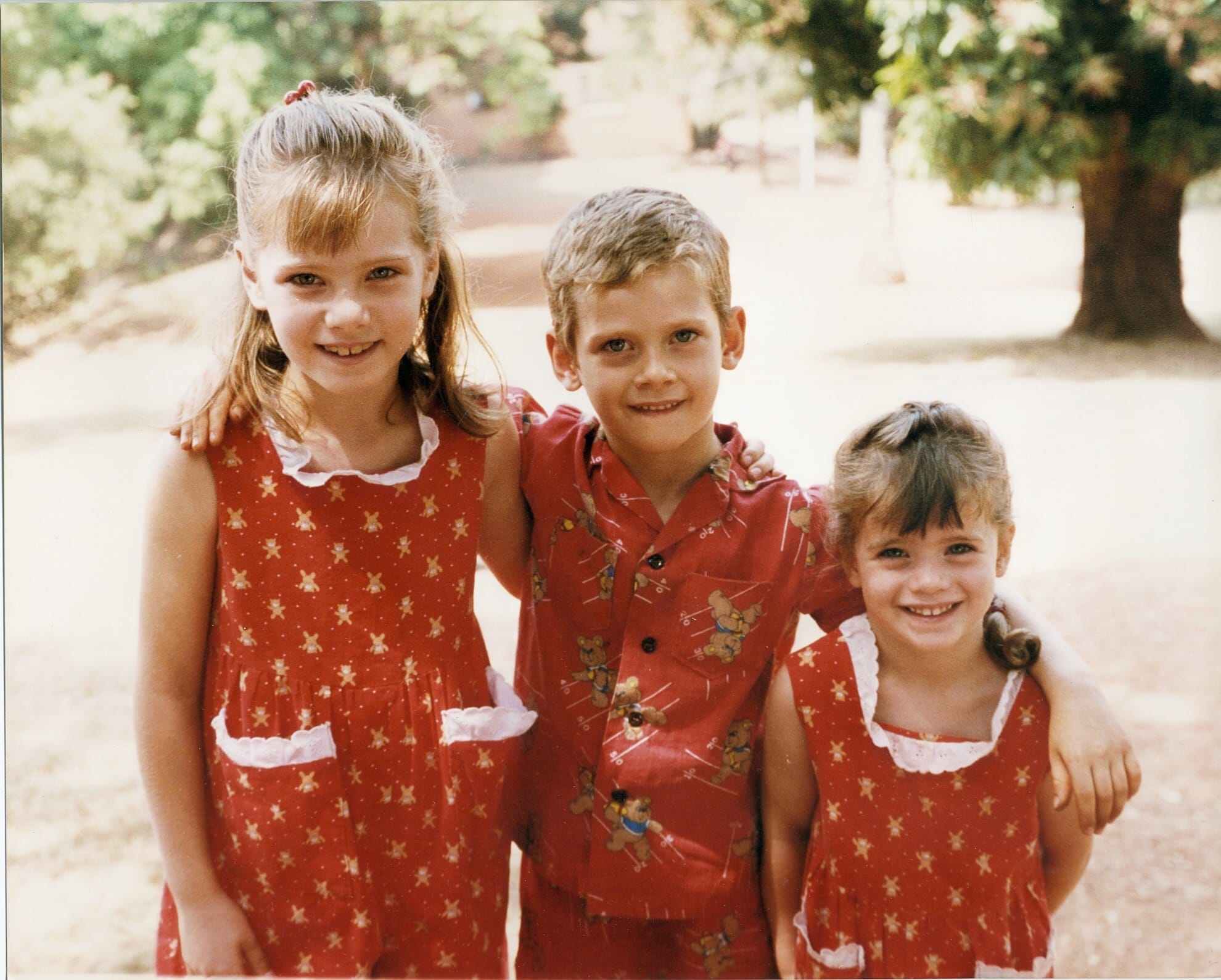
Rachel grew up watching her mom use their home as a place of ministry. In France, their house was often filled with students from the local university. Madeline loved to cook, welcome people in, share her home, and use hospitality as a way to love people and point them toward Christ. Rachel saw that ministry does not only happen behind a pulpit or in a classroom. It also happens around a table, in conversations, through meals, in the ordinary rhythms of family life, and through a home that is gladly opened for the sake of the gospel.
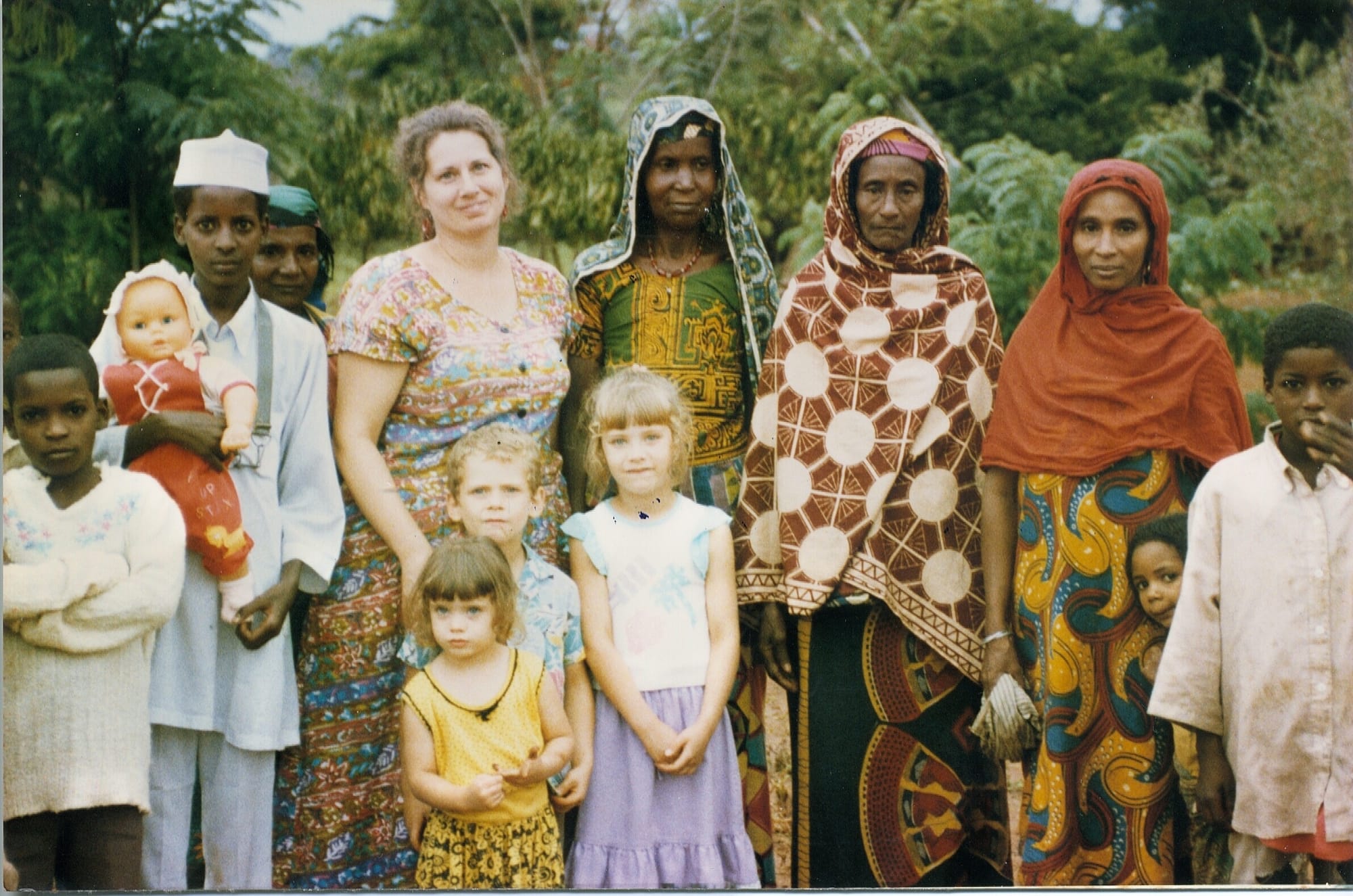
That example shaped Rachel deeply.
Another important moment for Rachel came through the Student Global Impact Conference. While there, she attended a session where missionary wife Susan Bixby spoke about the way God calls women to support the ministry that he has providentially placed on their husband’s heart. That teaching helped Rachel see something beautiful and biblical: being a faithful wife, mother, and helper is not a lesser contribution to the mission. It is a great way to advance the mission.
That has mattered deeply in our family.
In a world that often measures ministry only by visible platforms and public roles, Rachel has embraced the quiet, faithful, and deeply significant work God has given her. She has strengthened me. She has cared for our children. She has helped make our home a place of welcome. She has encouraged the work God has placed on our family’s heart, not as a bystander, but as a true partner in it.
And we have already seen the Lord use those very things in Zambia.
During our first season in Kitwe, Rachel was able to practice the kind of hospitality she learned from her mother. She opened our home to young ladies who did not yet know Christ and to members of Kitwe Church. She cooked, hosted, listened, encouraged, and loved people in the ordinary but powerful ways that Christian hospitality allows. Those moments may not always look impressive from the outside, but they are part of the fabric of faithful ministry.
We are thankful for that.
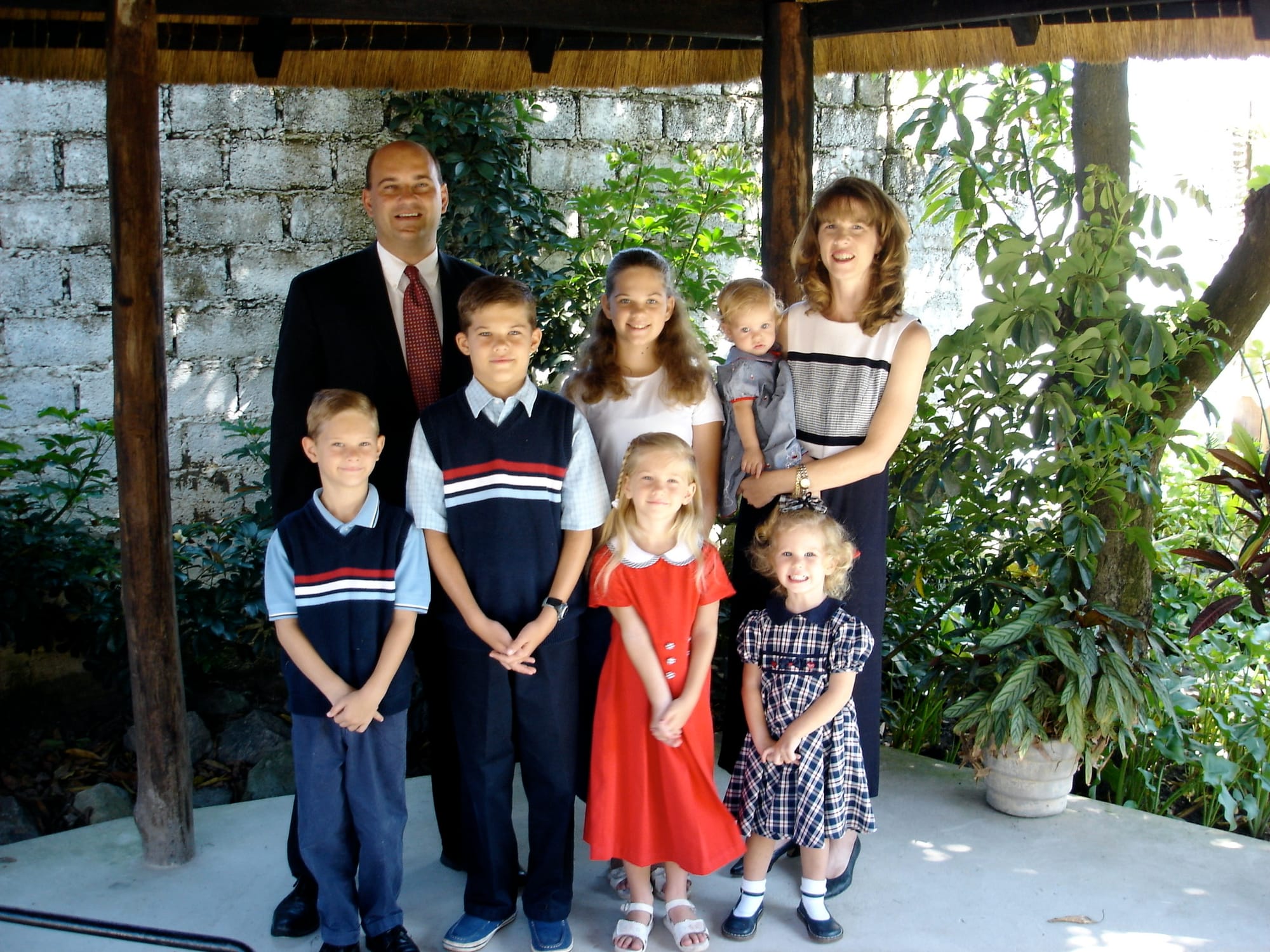
We are thankful that the Lord used my upbringing in Zambia to burden me for theological education, pastoral training, and church planting. We are thankful that he used Rachel’s upbringing in France to give her a love for hospitality, home-centered ministry, and quiet faithfulness. We are thankful that he brought us together, placed us in a local church, gave us children, and has allowed us to serve him as a family.
When we moved to Zambia in 2024, we did so while I continued working remotely. That season was a gift from God. It allowed us to begin putting down roots, building relationships, serving in local church ministry, and teaching at Central Africa Baptist University. It also allowed us to test our own hearts.
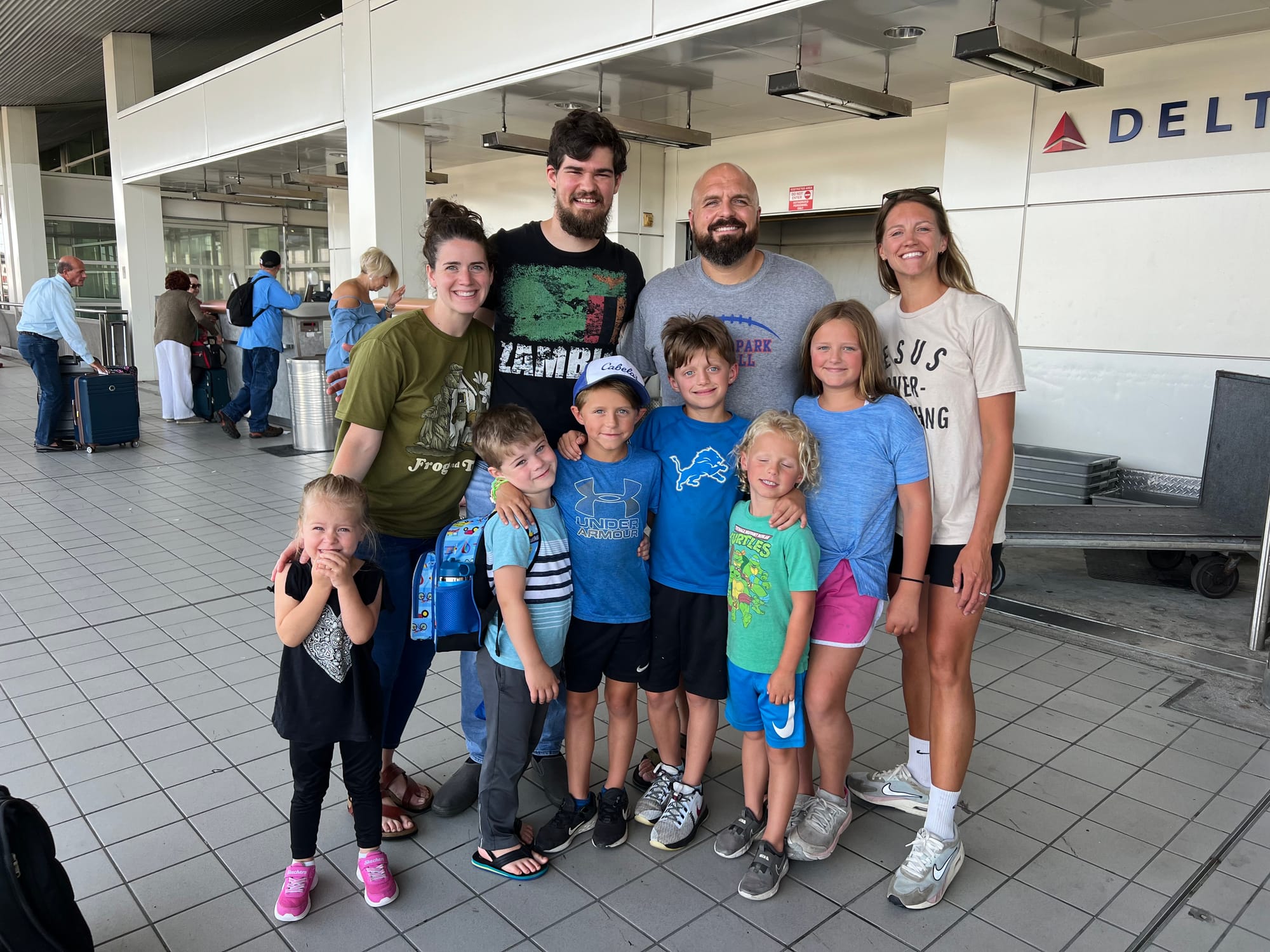
Was this only something we had talked about for years?
Or was this truly the work the Lord was calling us to give ourselves to?
During that year and a half, the answer became increasingly clear.
We loved the work. We loved the people. We loved the church. We loved seeing students labor to understand Scripture more deeply. We loved being part of ordinary church life in Kitwe. We loved watching the Lord confirm, again and again, that this was not a detour from our lives but the very direction he had been preparing us for.
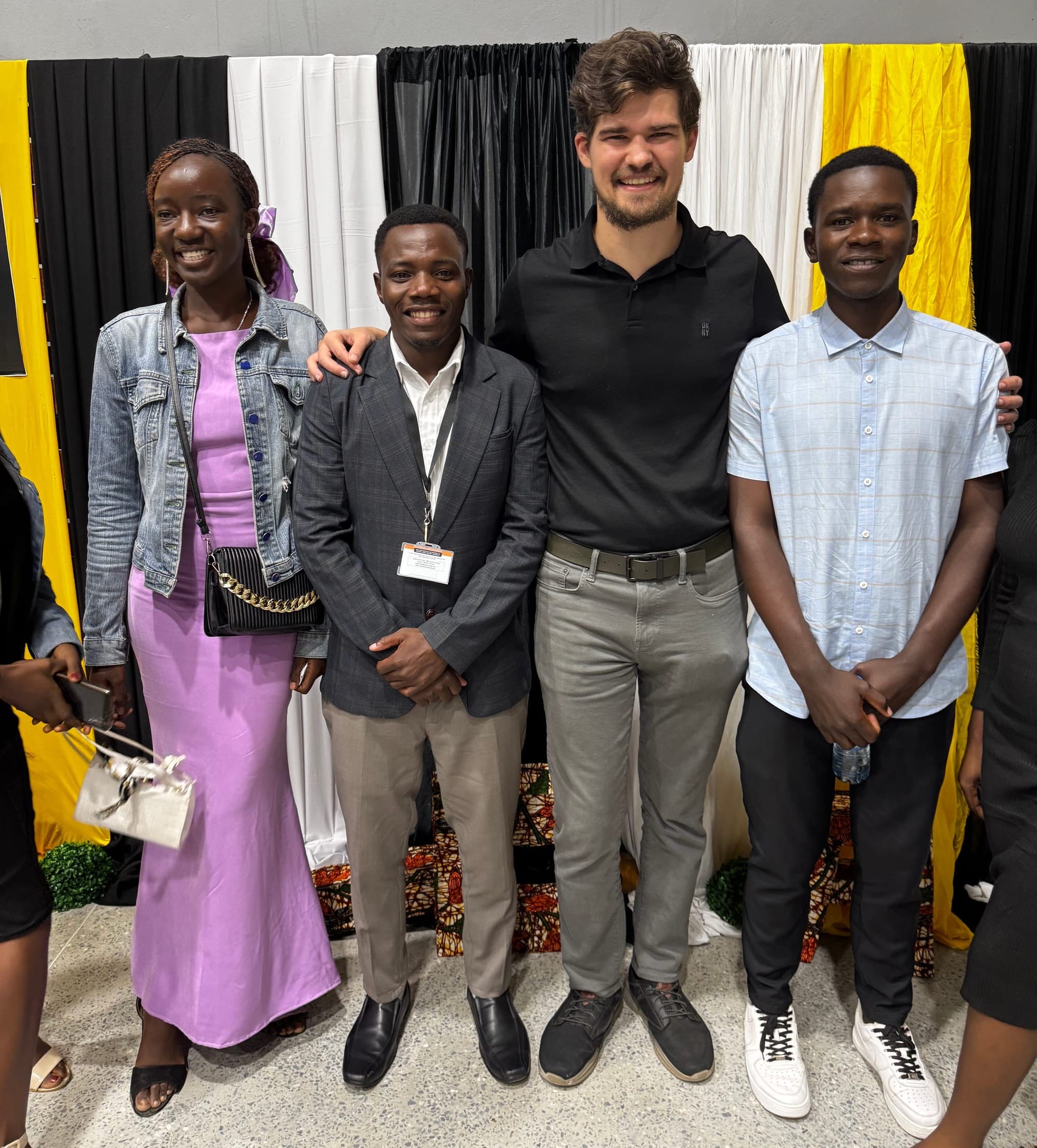
At CABU, I had the privilege of helping train men for ministry. That work is deeply connected to the burden the Lord has placed on our hearts. Africa does not merely need more activity. Churches need pastors who can rightly handle the Word of God. They need men who are rooted in sound doctrine, shaped by the local church, and prepared to shepherd God’s people with humility, courage, and love.
That is why theological education matters.
But theological education must not be separated from the church. The classroom and the local church belong together. Men must be trained not only to pass exams, but to preach Christ, disciple believers, defend sound doctrine, evangelize the lost, and help churches become healthy and multiplying.
That is also why local church ministry is central to our mission. We do not want to live in Zambia as outsiders who only teach in formal settings. We want to belong to a church, serve in a church, be known by a church, and labor alongside brothers and sisters in the ordinary work of ministry. We believe discipleship happens in the church. Evangelism leads people into the church. Pastoral training serves the church. Church planting flows from the church.
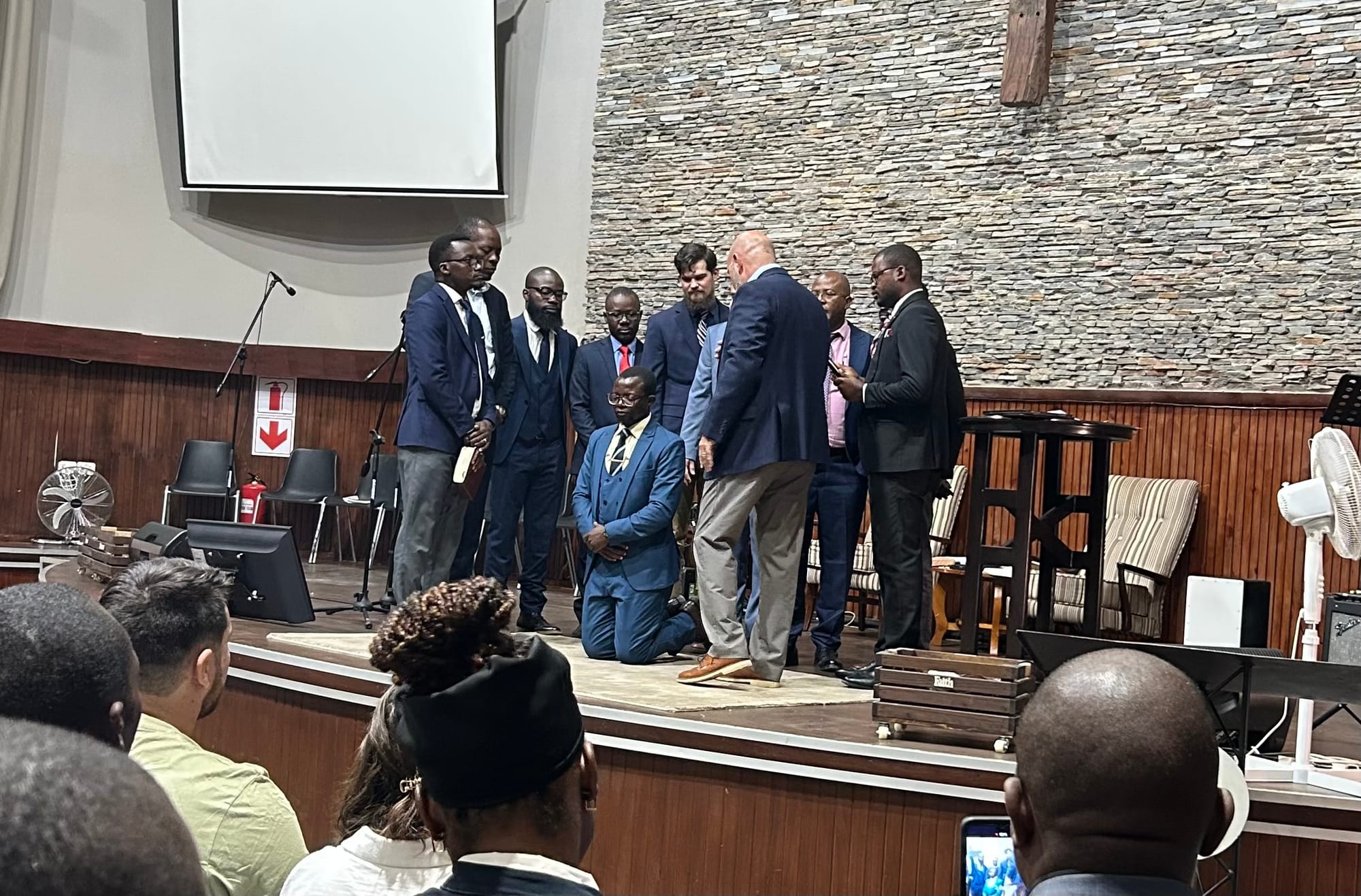
And this is why our long-term burden includes church planting. We long to see healthy churches strengthened and new churches planted across Zambia and beyond—churches led by well-trained African pastors who know their people, love their communities, and are committed to the spread of the gospel.
One of the great encouragements to us is that this work does not stop in Zambia. As men are trained in Zambia, they are being equipped to serve churches across Africa, including in places that are very difficult for American missionaries to reach. We believe investing in African leaders, African churches, and African church planting is both biblical and strategic.
Still, we want to be clear: we do not see ourselves as the answer to Zambia’s needs.
Christ is the answer.
His Word is sufficient. His Spirit builds the church. His gospel is the power of God for salvation. And he has already been at work in Zambia long before us.
That conviction shapes the way we want to serve. We do not want to build a ministry around ourselves. We want to strengthen what God is already doing through faithful local churches and leaders. We want to serve under church authority, not around it. We want to help train pastors and church leaders who are deeply rooted in their own communities. We want our home, our family, our teaching, our relationships, and our lives to be used in whatever ways the Lord sees fit.
We feel our weakness in this.
We are not heroic. We are not unusually strong. We are not sufficient for the work. We are a family trying to follow Christ, thankful for his patience, dependent on his grace, and asking him to use us in ways that only he can.
That is part of why this transition is humbling. For our first season in Zambia, my remote work allowed us to support most of our family’s needs. We are grateful for that provision. God used it. But over time, it became clear that the ministry opportunities before us require more than what can be given in the margins of a full-time secular role.
So we are now transitioning away from that “tent-making” model and toward full-time supported ministry.
We do not make that transition lightly. It is humbling to ask churches, friends, and individuals to partner with us. It is humbling to depend on the Lord through the generosity of his people. It is humbling to step away from the security of a career path and into a life that requires us to pray more honestly, trust more deeply, and hold our plans with open hands.
But we are thankful.
We are thankful for Resurrection Church, which has sent us, loved us, and held us accountable. We are thankful for the opportunity to serve at CABU. We are thankful for Kitwe Church and the brothers and sisters who have welcomed us. We are thankful for the examples of faithfulness we have seen in our parents. We are thankful for the ways God has used both Zambia and France in our family’s story. We are thankful that our children get to grow up seeing that the gospel is bigger than one country, one culture, and one expression of Christian life.
And most of all, we are thankful that the mission belongs to Christ.
We do not know everything the coming years will hold. We know there will be joys and hardships. We know there will be sacrifices we can anticipate and others we cannot. We know we will need patience, wisdom, endurance, and the prayers of God’s people.
But we also know this: Christ is worthy.
He is worthy of our family’s life. He is worthy of our plans. He is worthy of our work. He is worthy of the worship of Zambia, Africa, and the nations.
So we go with humility. We go with thankfulness. We go as servants. We go under the authority of the local church. We go because God has been kind enough to let us share in what he is doing.
And we invite you to share in it with us—not because we are building something impressive, but because Christ is building his church, and he has promised that the gates of hell will not prevail against it.